
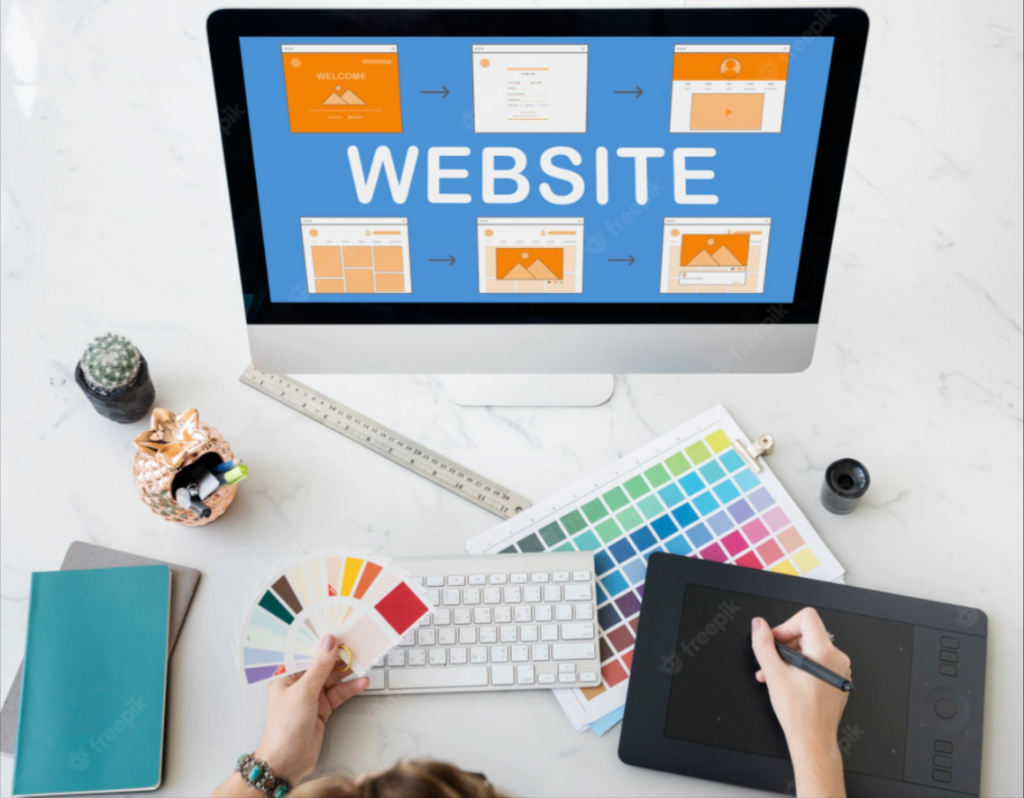
A website should be more than a digital brochure. For businesses in Boise, it needs to be a dependable sales tool—one that attracts the right visitors, builds trust, and turns curiosity into real conversations. Many companies invest in a site only to wonder why the phone never rings. The problem is rarely traffic alone; it’s usually strategy. Effective website design in Boise requires a clear plan that connects business goals with user needs. The following step-by-step approach shows how to build a site that consistently generates leads instead of just looking attractive.
Step 1: Define What a “Lead” Actually Means
Before choosing colors or layouts, decide what success looks like. A lead could be a phone call, a form submission, an online purchase, or an appointment request. Different businesses need different actions. A home services company may want quote requests, while a professional consultant might prioritize scheduled meetings. Without this definition, design decisions become guesses. Clarifying the primary goal shapes everything that follows: page structure, messaging, and the tools used to measure performance.
Step 2: Understand Boise Customers, Not Just Trends
Design trends change every year, but local customer expectations change more slowly. People searching for services in Boise often want practical information first—prices, service areas, reviews, and proof that the company is real and nearby. Research how actual customers describe their problems. Look at common questions received by phone or email. Those phrases should guide headlines and navigation labels. A site written in the language of real Boise residents will outperform one filled with generic marketing jargon.
Step 3: Plan the Site Around User Journeys
Most visitors do not land on the homepage and politely follow a menu. They arrive from search results, social posts, or referrals and need quick orientation. Map the typical journeys: a homeowner looking for a contractor, a parent comparing local programs, a business owner researching vendors. Each path should lead naturally to a clear action. Pages must answer three questions within seconds: What do you offer? Why should I trust you? What should I do next? If any of those answers are missing, leads leak away.
Step 4: Build Trust Before Asking for Anything
Boise is a relationship-driven market. People prefer companies that feel familiar and dependable. Website design should showcase that reliability through testimonials, photos of real staff, case studies, and transparent contact details. Avoid stock imagery that could belong to any city. Local landmarks, community involvement, and genuine customer stories signal that the business is part of the same neighborhood as the visitor. Trust elements belong on every major page, not hidden in a single “about” section.
Step 5: Craft Messaging That Speaks to Problems
Design cannot compensate for weak words. Effective sites focus on the customer’s problem before describing features. Instead of listing technical capabilities, explain outcomes: less stress, saved time, increased revenue, safer homes. Headlines should mirror the concerns Boise customers type into search engines. Short paragraphs, bullet points, and plain language keep visitors engaged. When people recognize their own situation on the screen, they are far more willing to take the next step.
Step 6: Design for Mobile First
A large portion of local searches happen on phones—often while someone is standing in a store aisle or sitting in a driveway comparing options. Mobile design is not a smaller version of desktop; it is the primary experience. Buttons must be easy to tap, forms simple to complete, and phone numbers clickable. Slow pages or tiny text quickly destroy credibility. Prioritizing mobile performance ensures that impulse searches convert into immediate calls.
Step 7: Make the Call to Action Impossible to Miss
Many Boise websites hide their most important request behind vague language like “learn more.” A lead-focused design uses direct, benefit-oriented calls to action: “Get a Free Estimate,” “Schedule Today,” or “Talk to a Boise Expert.” These prompts should appear repeatedly, especially near testimonials and service descriptions. Forms need only the essential fields; every extra question reduces completion rates. Offering multiple contact options—phone, form, chat—respects different user preferences.
Step 8: Optimize for Local Search Visibility
Beautiful design fails if nobody finds it. Search optimization must be woven into the structure from the beginning. Each service deserves its own page targeting phrases Boise residents actually use. Fast loading speeds, clear headings, and organized content help search engines understand relevance. Local signals such as maps, service areas, and consistent business information reinforce credibility. When design and SEO work together, the site attracts visitors who are already looking for exactly what the company provides.
Step 9: Add Tools That Support Real Conversations
Lead generation improves when technology assists rather than distracts. Live chat, scheduling widgets, and simple quote calculators can shorten the path from interest to action. However, these tools should feel helpful, not pushy. Boise audiences often prefer straightforward communication. Integrations that send inquiries directly to email or customer relationship systems ensure that no opportunity slips through the cracks. The goal is to make contacting the business easier than leaving the page.
Step 10: Measure, Learn, and Improve
Launching a site is only the beginning. Tracking tools reveal which pages attract attention and which ones confuse visitors. If many people read a service page but few contact the company, the call to action may be weak or the pricing unclear. Regular updates based on real behavior transform a static website into a growing asset. Small adjustments—clearer headlines, shorter forms, faster images—can double lead volume over time.
Bringing the Plan Together
Website design in Boise succeeds when strategy leads aesthetics, not the other way around. A site built around customer needs, local trust, mobile usability, and clear actions becomes a 24-hour sales representative. Businesses that follow this step-by-step plan stop asking whether their website looks good and start seeing evidence that it works: more calls, more qualified inquiries, and stronger relationships with the community.
The digital landscape will continue to evolve, but the fundamentals remain constant. Understand the audience, speak to real problems, and make the next step obvious. When those principles guide every design decision, a Boise website becomes one of the most reliable sources of new leads a company can own.